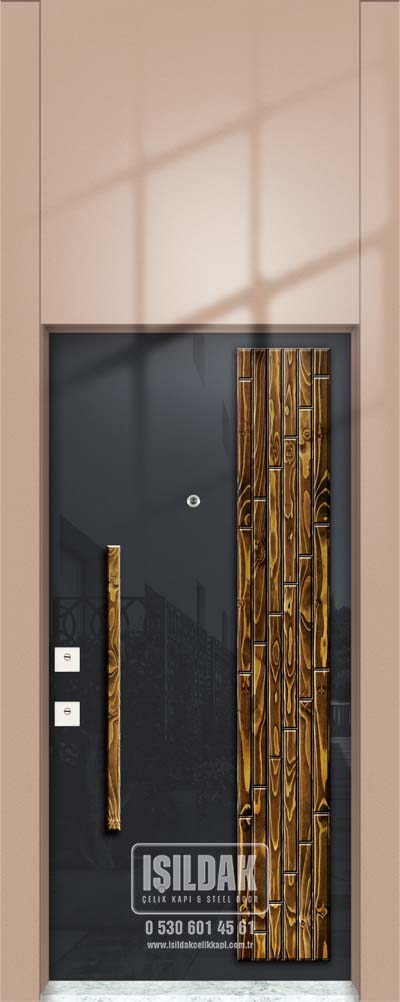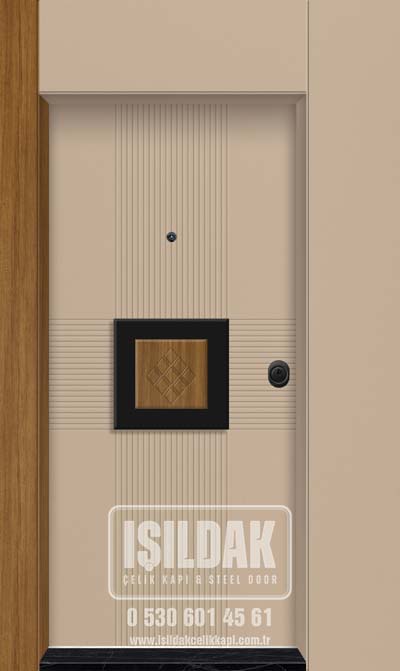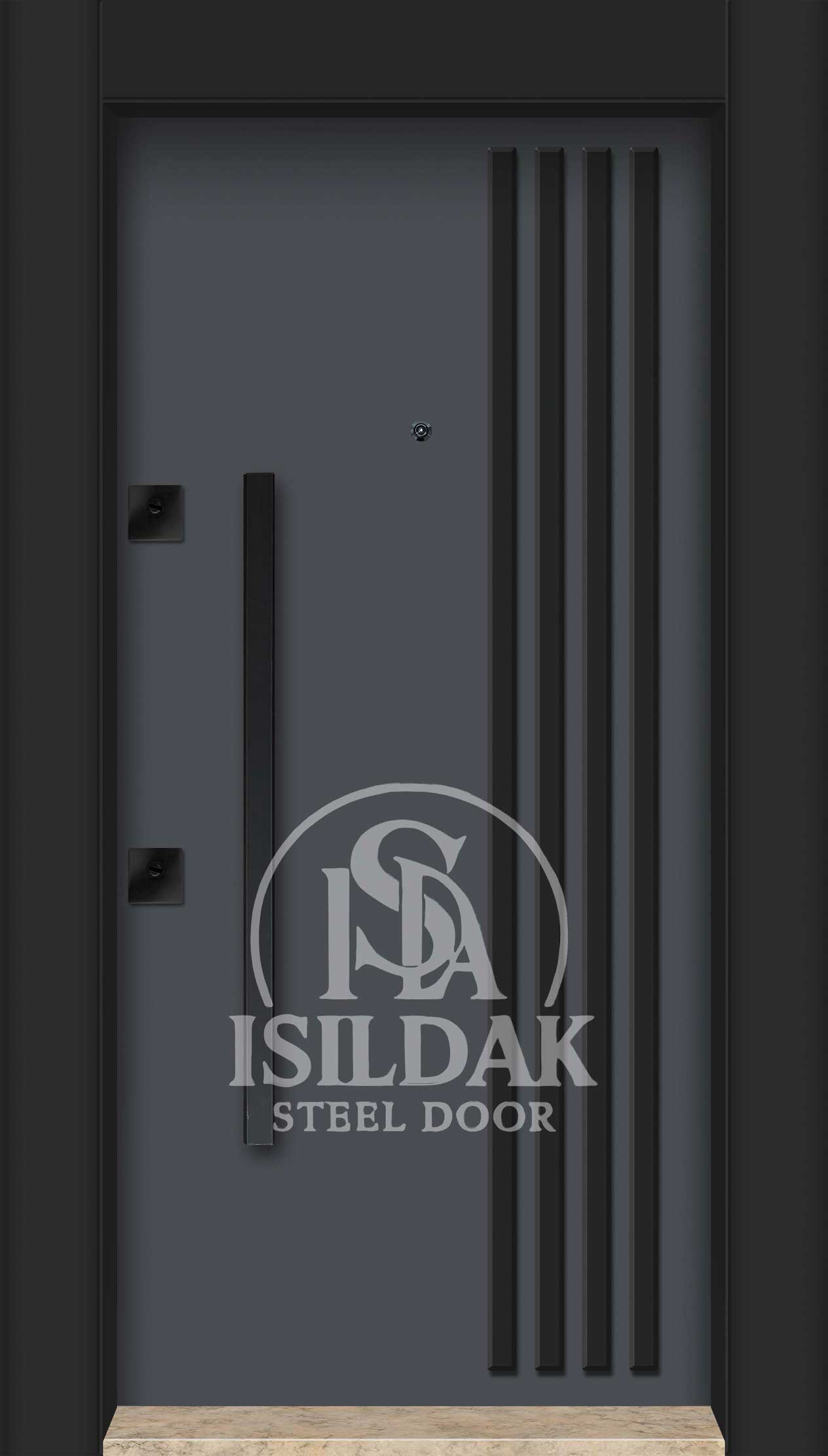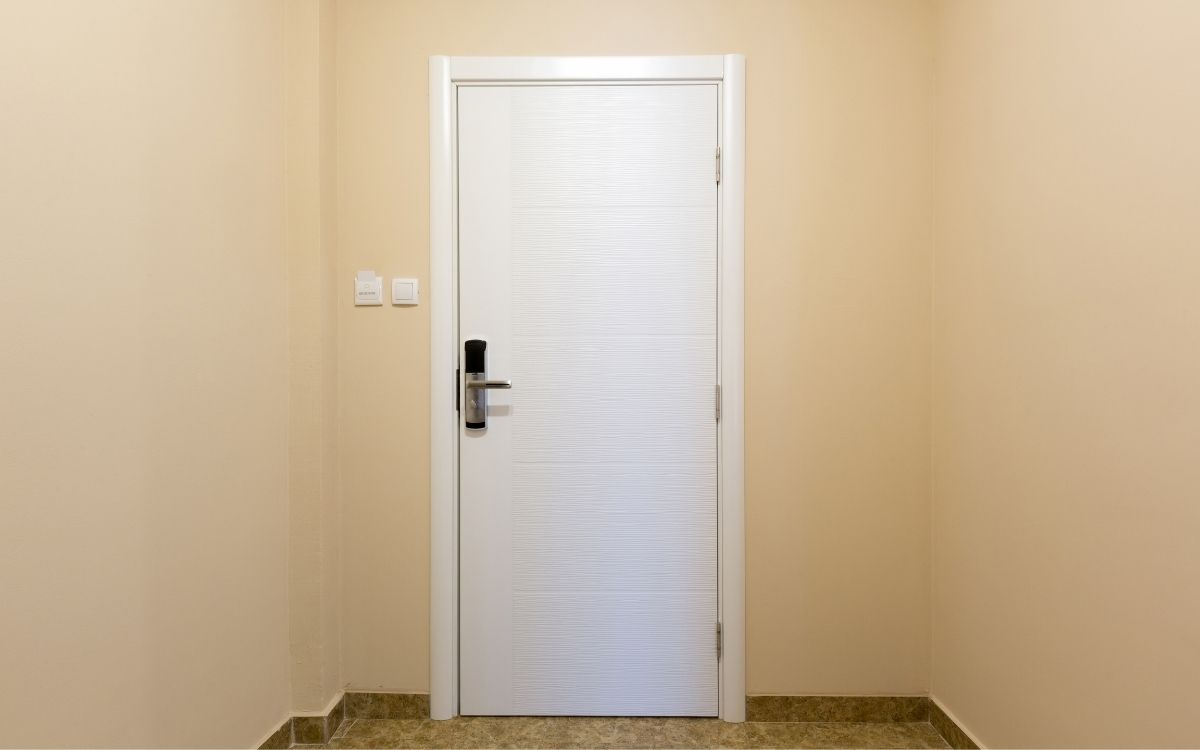
A good steel door is one of the longest-lasting investments in your home. Yet there is a hidden truth: a steel door's lifespan is most often determined not by the thickness of the steel, but by how well it is maintained. An unlubricated hinge, an unchecked gasket, or a neglected lock cylinder can turn a door that should last 25 years into a tired, security-compromised one within just 7 to 8 years. The good news is this: maintenance is neither expensive nor laborious. A few hours of regular attention each year preserves both the mechanical health of the door and its insulation and security performance. In this guide, we explain which product to apply to which component.
Hinge Maintenance: A Quiet, Aligned Door
A steel door leaf alone can weigh 40 to 70 kilograms, and this load typically rests on two or three hinges. An unlubricated hinge first begins to squeak; this sound indicates that the pin and the bearing have started to wear. As the wear progresses, the door drops slightly, scrapes against the frame, and the lock bolts fail to seat properly. While standard liquid spray lubricants provide short-term silence, they attract dust and dirt and over time build up a layer; choosing the right product matters.
- Silicone spray: A general-purpose solution that does not hold dust, leaves a dry film, and does not harm gaskets or plastic; ideal for the hinge pin.
- Lithium grease: Provides more durable protection on heavy hinges; applied sparingly and carefully.
- Graphite: Runs dry and does not attract dirt at points where dry operation is desired; particularly suitable for the lock cylinder.
After lubricating, open and close the door several times and wipe away any excess. Lubricate the hinges every 6 months, and more frequently once squeaking begins.
Lock Mechanism and Cylinder Maintenance
Modern steel doors usually feature a multi-point lock; 3 to 5 locking points that engage the frame from the top, middle, and bottom of the leaf are standard. The most common mistake in maintaining the lock cylinder (barrel) is injecting liquid oil into it; liquid lubricants accumulate dirt around the fine pins and can jam the mechanism. The correct product is a graphite-based dry lubricant to be blown into the keyhole.
When the key turns with difficulty, the cylinder has worn out; replacing the cylinder is far more economical than replacing the entire mechanism. If you have lost your key, on most systems simply replacing the lock cylinder is enough to reset the keying. For security, barrel types resistant to breaking and drilling should be preferred.
Gasket Inspection and Replacement
The gasket is the most critical yet most overlooked component that provides a steel door's thermal and acoustic insulation. When it deteriorates, sound and cold seep in, and heating-cooling costs quietly rise. You can carry out the inspection yourself:
- Visual inspection: Check the gasket for cracks, hardening, or breaks; if the rubber has lost its elasticity, it can no longer create a seal.
- Paper test: Place an A4 sheet between the door and the frame and close it; if there is no noticeable resistance when you pull it out, the gasket is applying insufficient pressure at that point.
- Light test: If you see light leaking through from the inside when it is shone from outside in the dark, there is a loss of sealing.
Replacement is simple: remove the old one, clean and dry the channel, and press the new one firmly into place. Maintenance with silicone spray once or twice a year delays hardening; gasket sets are renewed every few years depending on use.
The Right Cleaning Based on the Surface Finish
The visible surface of steel doors is not metal but a decorative cladding panel, and every finish requires different care; the wrong cleaning agent can dull the finish or cause it to bubble. Lacquered (painted) surfaces are the most prone to scratching; never use abrasive sponges, scouring powder, thinner, or acetone—a soft microfiber cloth and warm soapy water suffice. Wood-pattern laminate is durable but is affected by moisture; allowing water under the edge bands leads to bubbling. On PVC surfaces, warm water, a little detergent, and a soft cloth are enough. On every surface, test the product first on an inconspicuous corner.
Moisture Management, Seasonal Inspection, and Door Adjustment
A steel door's greatest hidden enemy is moisture. In quality doors, the body is made of galvanized (zinc-coated) sheet metal and foamed with polyurethane; although this structure offers serious resistance to corrosion, the bottom edge, threshold, and hinge bearings can be affected by moisture. Wipe surface condensation with a dry cloth, prevent water from pooling at the threshold, and shorten the lubrication interval in humid environments.
Because materials expand with heat and contract with cold, a door that closes comfortably in winter may scrape in summer; for this reason, checking the door's opening and closing, the lock's engagement, and the gasket pressure in spring and autumn catches minor adjustments before they grow. Scraping and a key sticking are most often caused not by the lock but by alignment; a heavy leaf drops by millimeters over the years. Well-designed hinges can usually be adjusted on three axes (height, lateral, pressure), so fine-tuning is done without removing the door; in cases of pronounced misalignment, professional support is the best course.
Annual Maintenance Schedule
Regular small interventions prevent major failures that would otherwise arise later:
- Every month: Surface cleaning appropriate to the finish; visual check (squeaking, scraping, loose screws).
- Every 6 months: Lubricating the hinges with silicone spray or grease; checking the lock bolts.
- Once a year: Graphite maintenance of the lock cylinder; gasket inspection and screw tightness.
- Every few years: Renewal of a hardened gasket, a worn hinge pin, or the lock cylinder.
Frequently Asked Questions
Which lubricant should I use on a steel door hinge? Dust-free silicone spray is the best choice for most hinges; a little lithium grease also works on heavy hinges. For the lock cylinder, however, choose not oil but a graphite-based dry lubricant.
When should the gasket be replaced? When the rubber hardens, cracks, or the paper/light test shows a loss of sealing. If the door no longer seats as tightly as it used to, or if sound and cold from outside have increased, the gasket has also reached the end of its life.
The key turns with difficulty—should I replace the lock? Not necessarily. The problem is most often the door's adjustment, or the cylinder needs graphite maintenance. If there is genuine wear, replacing only the lock cylinder instead of the entire mechanism is usually enough.
You can carry out most of this maintenance yourself; however, for matters such as adjustment, gasket replacement, or mechanism renewal, professional support is both safe and economical. As a company that manufactures steel doors in its own production facility in Sancaktepe, Işıldak Çelik Kapı also provides guidance on the maintenance of the doors it produces; you can get advice on finishes and lock systems from our expert team and request a free site survey for your door.