Installation Provides Security, Not Just the Door
There is a saying we frequently repeat in the sector and is proven by experience: “It is the installation that makes a door a door.” The real performance of a steel door is not measured only by sheet thickness, lock brand, or external appearance. The main determining factor is how that door is fixed to the wall, with which materials it is mounted, and according to which technical standards the installation is done.
Most of our customers naturally focus on sheet thickness, lock system, or accessory details when buying a door. However, they often forget to ask a critical question: “How will this door be attached to the wall?” However, a wrongly or incompletely mounted steel door can lead to serious security vulnerabilities even if the highest quality materials are used.
Today, steel door prices including installation for a quality door in the market vary between 15,000 TL and 65,000 TL on average. These figures are a serious investment for your home security. However, in order to get the real return on this investment, it is essential that the installation is done flawlessly. Otherwise, a door bought at high costs cannot provide the expected security.
Unfortunately, it is frequently seen in the sector that labor and installation materials are avoided in order to reduce costs or speed up the work. Although such practices are not noticed in the short term, they can cause dire consequences (bad results and serious security risks) that are difficult to compensate for in the long run. Here are the 5 critical mistakes most frequently encountered in steel door installation:
1. Installing Only with Foam
This is the most common and at the same time the most dangerous installation mistake. Polyurethane foam is not a carrier contrary to popular belief; it is only an insulation material. If the gap between the frame and the wall is filled only with foam, when the thief leans the crowbar against the frame, the frame flexes and security weakens seriously. The correct application is filling the frame so that it integrates with the wall with concrete mortar.
2. Balance and Square Errors
Millimetric balance and square adjustment is of vital importance in door installation. If the door is not balanced, it closes or opens by itself over time, lock tongues enter the strike plate with difficulty. This situation not only reduces usage comfort, but also seriously shortens the life of the lock mechanism.
3. Insufficient Fixing (Lack of Anchorage)
The steel door frame must be fixed to the wall from at least 6–8 points with thick and durable studs. Insufficient anchorage application causes the door to remain vulnerable to impacts and forcing. This causes the weakest point of the door to be the installation.
4. Incorrect Lock Strike Adjustment
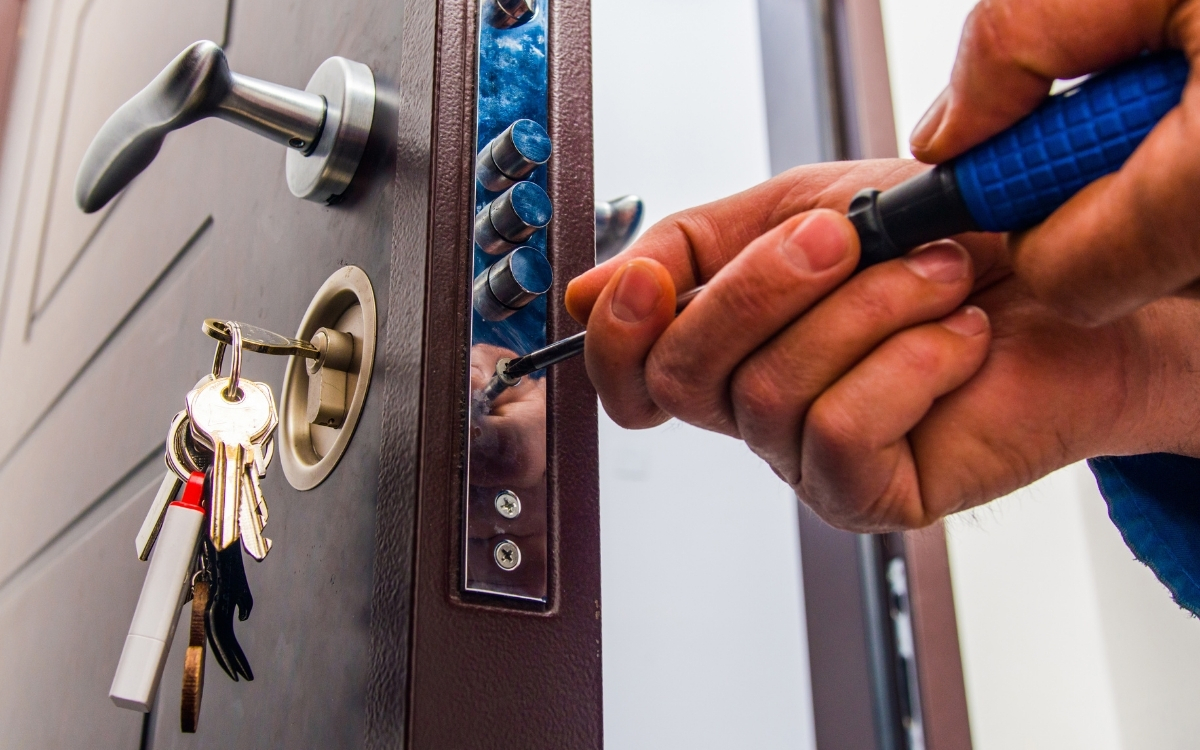
Failure of the lock tongues to fit fully and correctly into the strike plate slots can cause the door to open much more easily than expected in case of forcing. Also, this error leads to stiffening of the lock and premature failure in daily use.
5. Threshold and Seal Gaps
Not making zero adjustment to the floor during installation causes air, dust, and sound passage under the door. This situation not only creates loss of comfort, but also seriously reduces heat insulation. In the long run, energy losses become inevitable.
In conclusion, steel door installation is not a process to be rushed or glossed over with the thought "the door is sturdy anyway". You have to give the necessary importance to these technical details for the safety of your home, family, and loved ones. Remember; a good steel door turns into real security only with correct installation.