The Myth of Thick Steel and the Mechanical Truth
The first question end users who visit our sales office, or young contractors choosing doors for their projects, usually ask is this: "How many millimeters is this door's steel sheet?" That urban legend circulating in the market — "If the steel is thick, the door is secure" — is in fact one of the amateur misconceptions burglars love most. Yes, the thickness of the steel matters, but even if you build a steel frame weighing tons, if your lock mechanism is weak or the gaps (tolerances) between the leaf and the frame are miscalculated, it takes a professional burglar only twenty seconds to open that door silently with the help of a crowbar. As Işıldak Çelik Kapı engineers, we think almost like a professional burglar when designing a door. We analyze their points of attack, the tools they use and their methods, and we rebuild the anatomy of the door from the ground up to neutralize those attacks.
The Silent Attack: Cylinder Snapping and Steel Rosette Armor
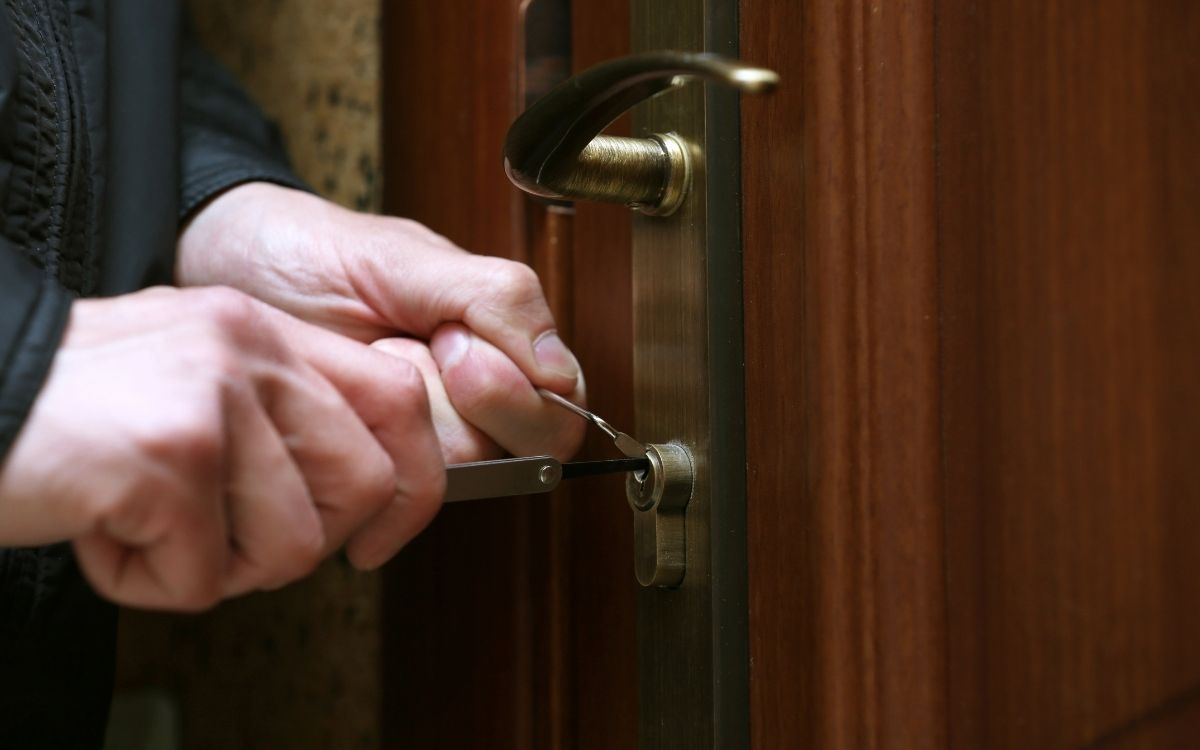
According to statistics, the vast majority of door-forcing (home invasion) cases in Istanbul occur not through a noisy crowbar assault, but through a completely silent method: "barrel (lock cylinder) snapping" or drilling. The burglar grips that small keyhole on the outside of the door with a special tool, breaks it, and then uses a screwdriver to disengage the lock bolt. The only way to prevent this insidious attack is to make the cylinder unreachable. On all of our series, we weld conical "Steel Rosettes" — made from special alloy (drill-bit-breaking) steel — onto the front of the lock. The burglar's gripping tool slides off this conical surface, while the drill bit melts against that special alloy. The lock core remains completely safe behind that massive steel armor.
Crowbar and Hook Lock Technology
Another classic method is brute force. Using a heavy crowbar inserted between the leaf and the frame, the attacker tries to pry the structure and force the lock bolts out of their housings. Ordinary cylindrical (round) lock bolts slip out of their housing once the frame flexes enough. To close this physical vulnerability, we use Hook Lock mechanisms in our high-segment products. When locked, these bolts that enter the strike plate in the frame curl inside like an anchor (hook) and grip onto the frame. The more the burglar tries to pry the door with a crowbar, the more tightly that hook clamps onto the frame. The door locks itself like a vise.
The Hinge Side: The Invisible Threat
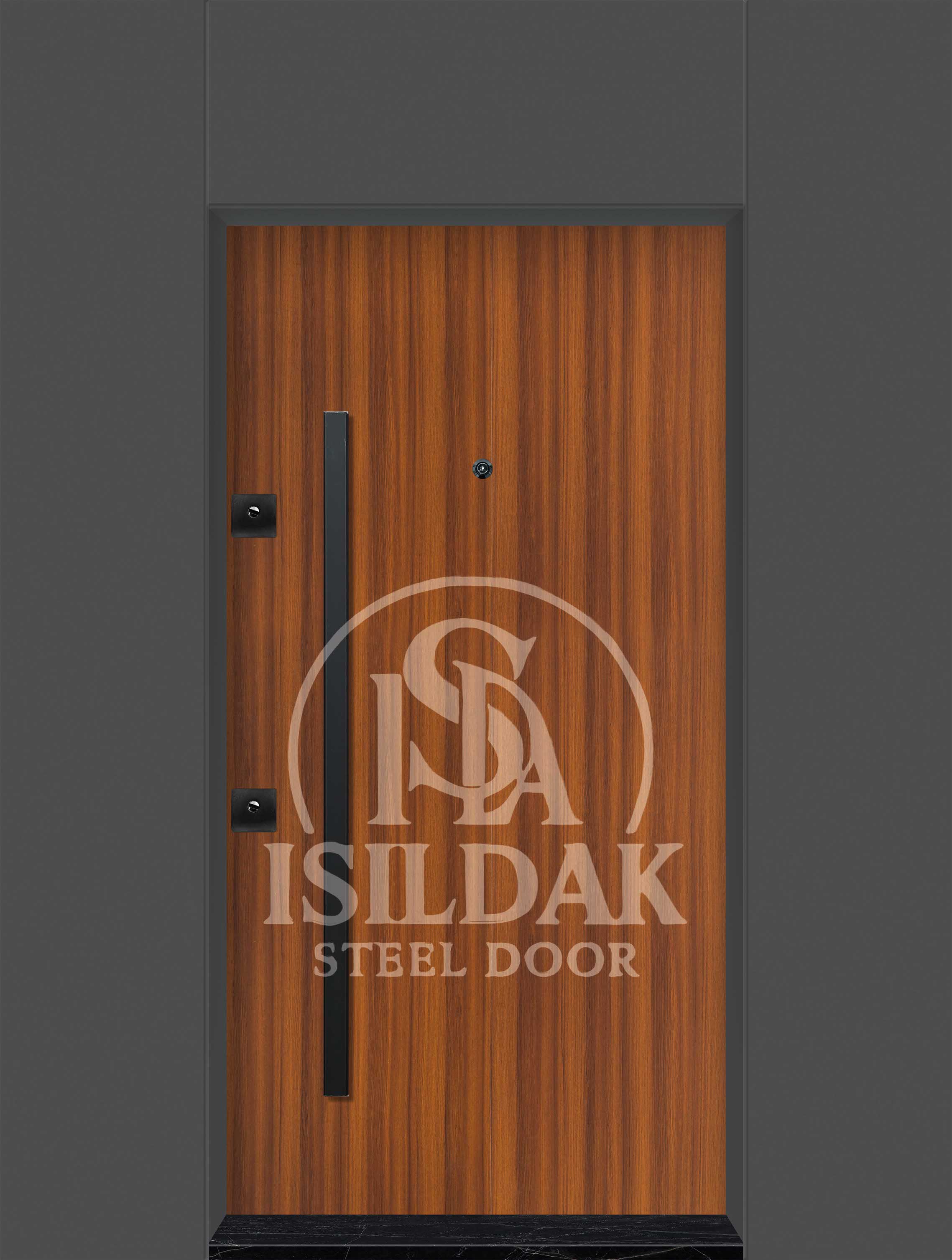
Protecting the lock side of a door with massive systems while leaving the rear (hinge side) defenseless is suicidal. When the burglar cannot open the lock side, they try to open the leaf from the reverse by cutting or forcing the hinges. On the rear face of our door leaves there are thick fixed security pins that, when the door closes, slot directly into holes inside the steel frame. Even if the hinges are completely cut from the outside with an oxygen torch, those fixed pins keep the steel leaf nailed in place, and it can never be removed. Real security is not merely that luxurious wood or lacquer appearance on the outside; it is building, beneath that appearance, a rational and impenetrable engineering network interlocked with one another through millimetric calculations.