Why Fire Door and Panic Bar Requirement?
One of the most critical elements to prevent loss of life during a fire is the proper design of safe evacuation routes. Building regulations require fire doors to comply with specific standards and mandate panic bars in public use areas. A panic bar allows the door to open with a single motion (push or pressure), preventing stampedes during evacuation.
Which Articles Stand Out in the Regulation?
Turkey's building fire regulation (BYYHY Articles 25-30) particularly highlights the following points:
- Escape route doors: Every door leading to an emergency exit must have fire resistance duration and be equipped with easy-opening hardware (panic bar).
- Assembly areas: Panic bars are mandatory on exit doors in halls with a capacity of more than 50 people, cinemas, schools, hospitals, and shopping malls.
- Door direction: Doors opening in the direction of escape are preferred, and the panic bar ensures compatibility with the pushing direction.
Types of Panic Bars and Which to Choose in Which Situation?
There are three basic types of panic bars:
- Mechanical Panic Bar: The most common type, low cost, simple mechanism. Suitable for high-traffic areas, requires maintenance.
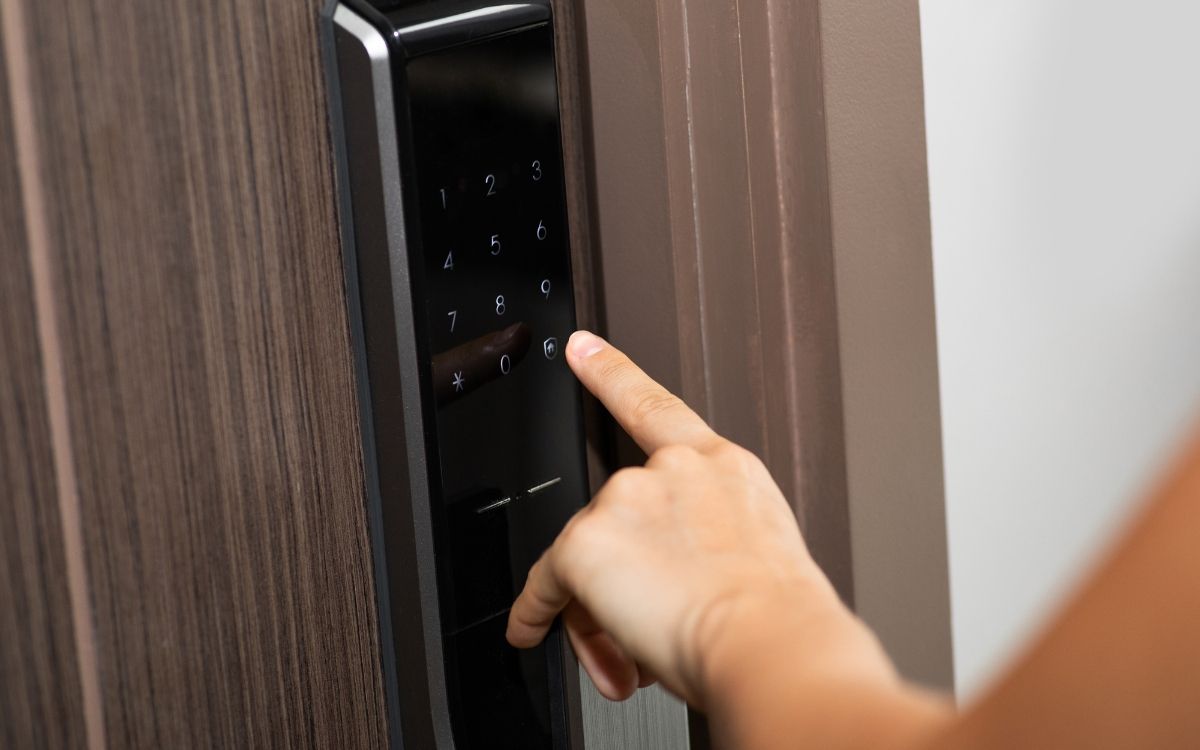
- Electromagnetic Panic Bar: Works integrated with fire detection system, normally locked, releases during fire. Ideal for places requiring security and access control.
- Motorized Panic Bar: Can be opened with remote control and automation systems. Preferred in high-security facilities.
When choosing, consider building type (hospital, school, mall), user density, presence of fire detection system, and door width criteria specified in the regulation.
Common Mistakes and Errors to Avoid
Frequent errors include doors opening in the wrong direction (opposite to escape direction), marking doors without panic bars as exits, and leaving doors locked or chained. Additionally, the mounting height of the panic bar (90-100 cm from floor) and push distance should not be non-standard.
Remember: A fire door and panic bar are not just products but a life safety requirement. Any non-compliant application can directly cause loss of life in a potential fire.
Correct Product Selection and Certification
A quality fire door should be tested to international standards (such as EN 1634-1) and CE certified. Panic bars must comply with EN 179 standard. The warranty, installation service, and periodic maintenance provided by the manufacturer also ensure long-term safety. As Işıldak Çelik Kapı, the panic bars used in our fire doors are TSE and CE certified and meet all regulatory requirements.
Periodic Maintenance and Inspection
Fire doors and panic bars should be checked by authorized technical service at regular intervals (at least once a year). Issues such as mechanism jamming, rusting, hinge loosening should be identified and resolved. Maintenance records should be kept for presentation during inspections.